Understanding Dysgraphia: More Than Just a Writing Struggle
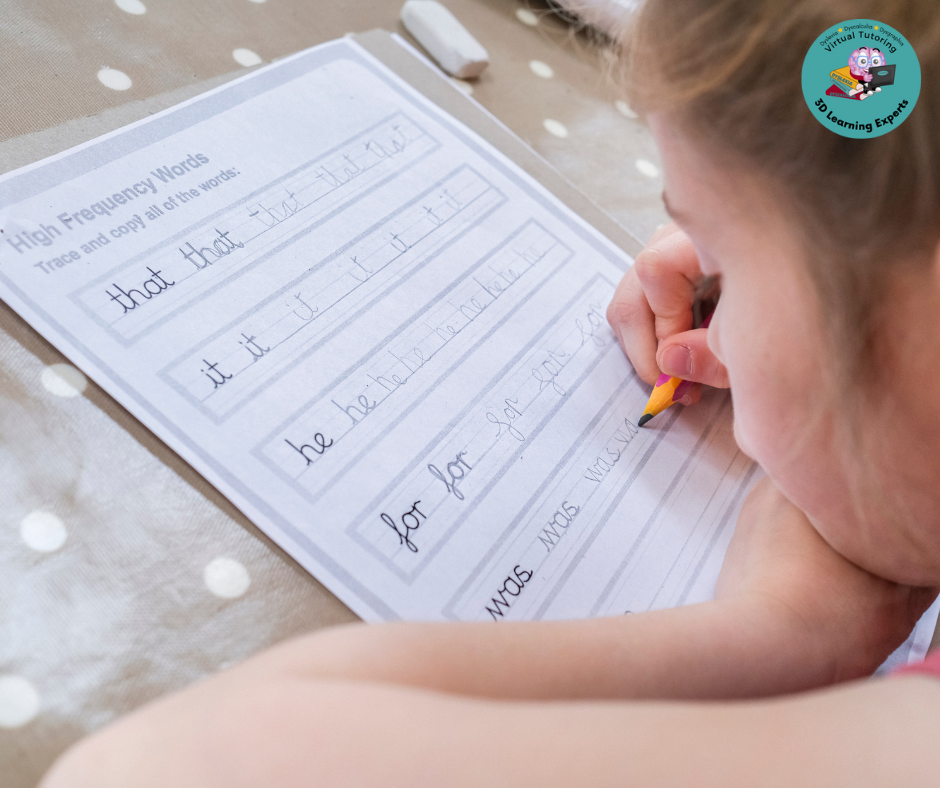
When we talk about Understanding Dysgraphia, we’re not simply talking about messy handwriting or neatness. Dysgraphia affects how the brain processes and organizes written language. Students may have strong ideas but struggle to express them clearly and efficiently on paper or a screen.
-
Trouble organizing thoughts when writing
-
Short, incomplete written responses despite strong verbal skills
-
Avoidance of written assignments
-
Inconsistent spelling or grammar
-
Difficulty remembering how to form letters or words under pressure
The good news? These challenges don’t reflect a lack of intelligence or creativity—they’re simply signs that a student’s brain learns differently.
 Watch this helpful video on Dysgraphia from 3D Learning Experts:
How Multisensory Learning Strengthens Written Expression
Structured Writing Support
Breaking writing into small, structured steps—brainstorming, sequencing, and revising—helps students build confidence. Graphic organizers, color coding, and sentence stems give them a clear roadmap for expressing their thoughts.
Speak It Before You Write It
Students with Dysgraphia often have brilliant verbal ideas. Encourage them to talk through their sentences or use speech-to-text tools before revising their writing. This bridges oral language and written communication while reducing frustration.
Technology as a Learning Ally
Multisensory tools such as text-to-speech readers, dictation software, and interactive writing platforms make written expression more accessible. These tools empower students to focus on creativity and content—not on the mechanical aspects of writing.
Color and Pattern Recognition
Using color-coded cues for sentences, paragraphs, or transitions helps students visually understand the structure of writing. It turns abstract writing rules into something concrete and manageable.
Empowering Educators and Parents Through Understanding Dysgraphia
-
Provide graphic organizers or templates for writing assignments
-
Offer oral alternatives for some assessments
-
Implement multisensory, structured literacy instruction
-
Encourage storytelling through voice recordings or short videos
-
Praise effort, creativity, and growth over perfection
-
Partner with experienced tutors who specialize in Multisensory Learning and written expression
Breaking Barriers with 3D Learning Experts (3DLE)
Schedule a free consultation with 3DLE today to discover how our personalized, multisensory approach can transform your child’s learning journey.